Carpet cleaning High Barnet station area expert tips
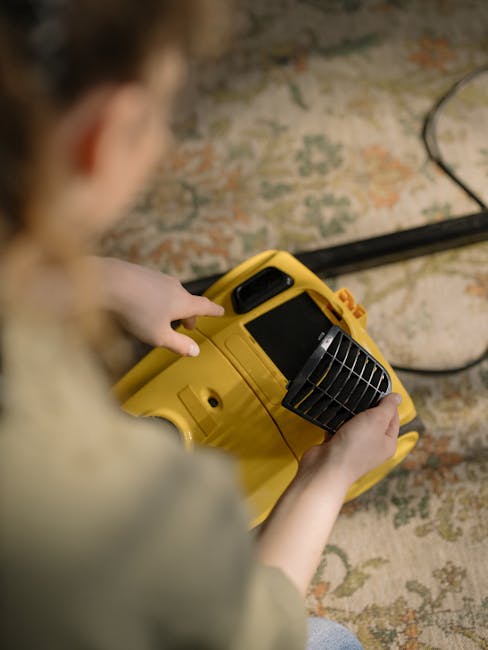
If you live, work, or commute near High Barnet station, you already know the rhythm of the area: busy pavements, muddy shoes after a wet spell, and carpets that seem to collect every bit of grit from the day. That is exactly why Carpet cleaning High Barnet station area expert tips matter. The right approach can keep your flooring fresher for longer, reduce wear, and help you avoid the all-too-common mistakes that turn a small spill into a permanent mark. In this guide, we'll walk through the practical side of carpet care near the station, from daily habits to deep-clean decisions, with a few real-world observations along the way.
Whether you're looking after a flat, a family home, or a small office, the aim is the same: cleaner carpets, fewer problems, and a better finish that actually lasts. And yes, it can be simpler than it sounds.
Why Carpet cleaning High Barnet station area expert tips Matters
Carpets around a station area take more punishment than people often realise. Near High Barnet station, there is a steady mix of foot traffic, weather carried in on shoes, dust from streets, and the usual domestic spills. Over time, those tiny particles settle into the pile and start to dull the appearance of the carpet. You may not notice it from one week to the next, but compare the same room after a few months and the difference becomes obvious.
Expert tips matter because carpet cleaning is not just about making fibres look bright. It is about removing trapped soil before it grinds down the fibres, treating stains in a way that matches the material, and choosing a cleaning method that avoids overwetting or residue build-up. Truth be told, many carpets do not fail because they are old; they fail because they were cleaned badly, or not cleaned often enough.
There is also the local side of it. In a station-adjacent area, homes often see more rainwater, salt marks in winter, and fast turnarounds for renters, landlords, and busy households. A carpet that looks "fine" at first glance may still be holding odours, allergens, or deep dirt. If you're maintaining a property alongside other jobs such as domestic cleaning or one-off cleaning, carpet care becomes part of the bigger picture rather than an isolated task.
Expert summary: near a transport hub, carpets need more than occasional vacuuming; they need a simple, repeatable routine, quick stain response, and the right cleaning method for the fabric and soil level.
How Carpet cleaning High Barnet station area expert tips Works
At its core, carpet cleaning works by removing soil in layers. Loose debris comes out first, then embedded dust and grit, then stains, odours, and residue. The order matters. If you go straight in with moisture before lifting dry soil, you often make the job harder. A good result usually starts with dry extraction, followed by targeted stain treatment, then a chosen cleaning process such as hot water extraction, low-moisture cleaning, or careful spot cleaning.
For most carpets, a professional-style approach looks something like this:
- Inspect the fibre type, condition, and any visible stains.
- Vacuum thoroughly, ideally more than once in high-traffic rooms.
- Pre-treat spots and heavy traffic lanes.
- Use the right cleaning method for the carpet and the level of soiling.
- Extract moisture carefully so the carpet dries evenly.
- Finish by grooming the pile where needed and checking for missed marks.
This process sounds straightforward, but the judgement call is in the details. A wool carpet, for example, needs different handling than synthetic fibre. A hallway runner that sees muddy shoes every day may need a different cleaning plan from a bedroom carpet that only gets light use. And if there has been renovation dust, the approach shifts again. That is where services like deep cleaning or after builders cleaning become relevant, because the type of dirt matters just as much as the amount.
Key Benefits and Practical Advantages
Good carpet cleaning is one of those jobs that pays you back quietly. You do it once, and then for weeks or months the room feels fresher, the air seems cleaner, and the floor simply looks cared for. That is the practical side. There is also a comfort side, which people notice the moment they walk in with wet shoes or kick off their coat after a long commute.
- Better appearance: colours look brighter and the pile regains some of its texture.
- Longer carpet life: removing grit reduces abrasion and fibre wear.
- Improved smell: traffic dirt, pets, and food spills become far less noticeable.
- More hygienic feel: regular cleaning helps manage dust and allergens that settle low in the room.
- Stronger first impression: useful for rentals, viewings, guest stays, and workspaces.
There is another advantage people sometimes overlook: confidence. A clean carpet changes how a space feels. You stop tiptoeing around stains. You stop wondering if that patch in the hallway will ever come up. That mental relief is real, and a little underrated.
For tenants and landlords in particular, carpets can influence the overall presentation at the end of a tenancy. If you are trying to get a property back into shape, carpet cleaning often sits naturally alongside end of tenancy cleaning and, in some cases, house cleaning. It is all connected.
Who This Is For and When It Makes Sense
This kind of carpet care is for anyone who wants their flooring to last and look decent without guesswork. But some people need it more often than others.
It makes particular sense if you are:
- a homeowner near High Barnet station dealing with regular foot traffic;
- a renter wanting to leave a flat in respectable condition;
- a landlord preparing a property for new occupants;
- a small business owner keeping reception or office carpets presentable;
- a family with children, pets, or frequent visitors;
- someone living in a ground-floor home where outdoor dirt gets tracked in more easily.
It also makes sense after specific events. A rainy season. A busy house party. A renovation. A new pet. That one winter week where everyone came in with dark soles and nobody quite noticed until the hallway looked tired. Happens all the time.
If carpets are also paired with fabric furniture, it can be worth thinking more broadly about the room as a whole. A cleaned carpet next to a stained sofa or grubby rug can look odd, almost like one half of the room got the memo and the other half didn't. In that case, you may want to look at sofa cleaning, upholstery cleaning, or rug cleaning as part of the same refresh.
Step-by-Step Guidance
If you want a sensible, repeatable process, this is the version to follow. It is not flashy. It works.
1. Start with a proper inspection
Look closely at the carpet in daylight if possible. Check for stains, worn pathways, colour fading, loose seams, and any areas that may be sensitive to moisture. The aim is to spot the problems before cleaning begins. If a stain has been there a while, treat it differently from something fresh.
2. Vacuum slowly and thoroughly
One fast pass is not enough. Go over the carpet more than once, especially in corridors and near doorways. On station-side properties, those edges often carry the most grit. A slower vacuuming rhythm picks up far more soil, especially if the carpet has a medium or deep pile.
3. Pre-treat high-traffic lanes and spots
Hallways, landings, and entrance mats usually need extra attention. Apply the right pre-treatment to the affected areas and allow it to dwell long enough to break down surface soil. The mistake people make here is scrubbing too quickly. Let the product work first.
4. Choose the right cleaning method
Hot water extraction is common, but not always the best answer. Low-moisture methods can suit some carpets better, especially where quick drying matters. Delicate fibres need gentler handling. If you are unsure, use caution rather than optimism. A cautious clean is better than a heroic disaster.
5. Extract properly and avoid overwetting
Too much moisture can lead to long drying times, musty smells, and a carpet that feels damp for far too long. Careful extraction matters. It is one of those things that sounds boring until you have to wait all afternoon for a living room floor to dry, then step around it like you are crossing a stream.
6. Speed up drying with airflow
Open windows if the weather allows, use gentle ventilation, and keep traffic off the carpet until it is fully dry. Good airflow prevents that stale, lingering moisture smell that nobody wants.
7. Final check and spot tidy-up
Once dry, inspect the carpet again. Some marks only become visible after drying. A final tidy-up at this stage is normal. It is also the point where the room really comes back to life.
Expert Tips for Better Results
Here are the practical tips that usually make the biggest difference. These are the details people often skip, then wonder why the result feels a bit underwhelming.
- Act fast on spills: blot, don't rub. Rubbing pushes liquid deeper and can distort fibres.
- Work from the outside in: when treating a spot, start around the edge and move inward to reduce spreading.
- Test in a hidden corner: especially with wool, mixed fibres, or older carpets that may have colour instability.
- Use less product than you think: residue attracts dirt, so more is not better.
- Focus on entrances: doormats are useful, but they are not magic. The area just inside the door usually needs extra attention.
- Keep a regular vacuum routine: light and frequent beats rare and aggressive.
- Lift furniture carefully: heavy items can crush pile; move them only when safe to do so.
A small but useful observation: in homes near busy rail links, dust and grit often settle along skirting lines and under furniture more than people expect. If you only clean the visible centre of the room, you miss some of the worst accumulation. And then the room still feels a bit tired, even if it looks good from the doorway.
If you are using a professional carpet cleaner or hiring a cleaning company, ask what method they plan to use, how long drying should take, and whether they will treat specific stains separately. Those simple questions say a lot about the standard of service.
Common Mistakes to Avoid
Most carpet problems come from a handful of very ordinary mistakes. Nothing dramatic. Just small things repeated at the wrong time.
- Using too much water: leads to slow drying and sometimes wicking, where dirt reappears as the carpet dries.
- Scrubbing aggressively: this can fuzz fibres and spread stains.
- Skipping vacuuming first: wet soil is harder to remove and can turn into sludge, frankly.
- Using the wrong cleaner: not every solution suits every fibre or stain type.
- Leaving old spills untreated: the longer a stain sits, the more it bonds with the fibre.
- Cleaning only when the carpet looks bad: by then, some damage may already have happened.
Another common one is forgetting the rest of the room. A carpet clean followed by dirty windows or dusty skirting boards does not feel complete. If you are planning a broader refresh, it can make sense to pair the job with window cleaning or even home cleaners for a more balanced result.
And yes, one more mistake: not reading the drying instructions. People always seem surprised when a carpet needs time to dry. It does. That is just how it is.
Tools, Resources and Recommendations
You do not need a van full of specialist gear to keep carpets in good condition, but the right basics help a lot.
| Tool or item | Why it helps | Best use |
|---|---|---|
| Vacuum cleaner with good suction | Lifts dry grit before it sinks deeper | Weekly maintenance and pre-clean prep |
| White microfibre cloths | Useful for blotting without dye transfer | Fresh spills and spot work |
| Soft brush or carpet rake | Helps lift pile and loosen surface soil | After cleaning and for general grooming |
| Gentle spot treatment | Targets stains without flooding the area | Stain response on small marks |
| Fans or open windows | Speeds drying and reduces musty odour | After wet cleaning |
For larger jobs, you may want a more comprehensive solution. If the carpets are heavily soiled or the property needs a fuller reset, services such as deep cleaning or carpet cleaning are the obvious next step. If the space is commercial, office cleaning may be the better framework, because carpets in entrances and shared areas tend to wear differently from domestic flooring.
One practical recommendation: keep a small "stain kit" at home. Nothing fancy. A cloth, a gentle cleaner, and clear instructions for yourself. That way, when a coffee spill happens at 8:15 on a Monday morning, you are not searching drawers like you are on a treasure hunt.
Law, Compliance, Standards, or Best Practice
For carpet cleaning, the main concern is not usually regulation in the strict legal sense, but safe and sensible practice. In the UK, anyone carrying out cleaning work should think carefully about product use, slip risk, ventilation, and the condition of the floor during and after cleaning. If you are hiring someone, insurance, health and safety awareness, and clear terms matter more than flashy promises.
At a best-practice level, a reliable cleaner or company should be able to explain how they handle:
- fabric sensitivity and colour testing;
- safe use of cleaning solutions;
- drying and access during the drying period;
- furniture movement and protection;
- post-clean advice for keeping the carpet in good shape.
If you are comparing providers, it is sensible to check practical service information such as insurance and safety, health and safety policy, terms and conditions, and pricing and quotes. Those pages are not there for decoration; they help you understand what to expect before anyone starts moving furniture or wetting fibres.
Best practice also means being honest about limitations. Some stains will not fully disappear. Some carpets are too delicate for aggressive treatment. And some old marks have simply had too much time to settle in. A trustworthy professional will say that plainly rather than promising miracles. That honesty matters.
Options, Methods, or Comparison Table
Different carpets need different methods. The best option depends on fibre type, soil level, drying time, and what kind of space you are dealing with. Here is a simple comparison to help you think it through.
| Method | Best for | Pros | Watch out for |
|---|---|---|---|
| Vacuuming only | Light maintenance | Fast, low-cost, useful between deeper cleans | Will not remove stains or deep soil |
| Spot cleaning | Fresh spills and small marks | Quick response, targeted treatment | Can spread stains if done badly |
| Hot water extraction | Most synthetic carpets and deeper soil | Strong soil removal, good reset | Longer drying time, not ideal for every fibre |
| Low-moisture cleaning | Quick-dry situations and some delicate carpets | Shorter downtime, less water use | May need more frequent maintenance |
| Professional deep clean | Heavy traffic, move-outs, post-build work | More thorough, better for stubborn dirt | Needs careful scheduling and prep |
As a general rule, if your carpet sees regular outdoor traffic near the station or has a few stubborn lanes down the hall, a deeper method usually gives a much better return than repeated surface-only cleaning. If it is a lightly used bedroom carpet, a gentler maintenance plan may be enough. Simple as that.
Case Study or Real-World Example
A common local scenario goes like this. A two-bed flat near High Barnet station has a hallway carpet that looks dull, plus a living room rug that has picked up drink marks and everyday dust. The tenant notices the hallway first because that is where shoes come off, bags get dropped, and wet weather gets carried in. The rug, meanwhile, has gone a bit flat and carries a faint stale smell by evening.
The sensible approach is not to attack everything with one heavy-handed clean. The hallway needs a stronger focus on grit removal and drying control. The rug needs gentler, fibre-aware treatment. Furniture is shifted carefully, edges are checked, and the room is ventilated afterwards. In a case like this, a broader clean often works best when combined with other relevant services, such as one-off cleaning for a full refresh or rug cleaning for the area rug itself.
The result is not just that the carpet looks lighter. The room feels calmer. Shoes no longer leave the same marked tracks. The hallway stops announcing every muddy arrival. That is the kind of difference people notice straight away, even if they did not expect to.
Small story, but a real one in spirit: after a wet week, a carpet that had been "fine" can suddenly look tired in the afternoon light coming through the window. Once cleaned properly, it often feels like the room has had a proper airing. Not fancy. Just better.
Practical Checklist
Use this before and after cleaning to keep things on track.
- Check the fibre type before choosing a cleaner or method.
- Vacuum thoroughly and do the edges, not just the middle.
- Test any product in a hidden spot first.
- Treat stains quickly and blot gently.
- Avoid overwetting the carpet.
- Allow enough drying time before walking on it heavily.
- Use airflow to help the room dry properly.
- Inspect after drying for marks that may reappear.
- Plan regular maintenance instead of waiting until the carpet looks bad.
- Consider adjacent items like rugs, sofas, and upholstery if the room needs a full reset.
If the job feels bigger than a quick tidy, it probably is. That is not a failure; it is just a cue to use a better method.
Conclusion
Carpet cleaning near High Barnet station is really about staying one step ahead of everyday wear. The area's pace, weather exposure, and foot traffic mean carpets pick up dirt faster than many people realise. With the right process, though, you can keep them looking fresher, lasting longer, and feeling more comfortable underfoot.
The main ideas are simple: vacuum well, treat spills early, choose the right method, and do not rush the drying stage. If you keep those habits in place, your carpets will reward you. And if you need a bigger reset, professional help can make a visible difference without all the trial and error.
Get a free quote today and see how much you can save.
Good carpet care does not need to be dramatic. Done properly, it just gives a room back its calm.
Frequently Asked Questions
How often should carpets near High Barnet station be cleaned?
It depends on foot traffic, pets, children, and how much outdoor dirt gets brought in. In busier homes or shared spaces, a deeper clean is often needed more regularly than in low-use rooms. Vacuuming should still be frequent either way.
What is the best carpet cleaning method for a family home?
There is no single best method for every carpet, but many family homes do well with a careful deep clean combined with regular maintenance. The right choice depends on fibre type, drying time, and how heavily the rooms are used.
Can I clean a carpet myself, or should I hire a professional?
You can handle light maintenance and fresh spills yourself if you are careful. For heavy soiling, old stains, or delicate fibres, a professional-style clean is usually safer and more effective. It saves a lot of guesswork, which is nice.
Why does my carpet look dirty again after cleaning?
This can happen if too much moisture was used, if residue was left behind, or if deeper soil has wicked back to the surface while drying. Proper extraction and drying help prevent that effect.
How long does carpet drying usually take?
Drying time varies depending on the method used, airflow, humidity, and carpet thickness. A lighter clean may dry quicker, while a deeper wet clean can take longer. Good ventilation makes a real difference.
Will carpet cleaning remove every stain?
Not always. Some stains are old, chemical, or have already bonded with the fibre. A careful clean can improve appearance a lot, but honest providers should avoid promising perfection on every mark.
Is carpet cleaning safe for wool carpets?
Yes, but wool needs more care than many synthetic fibres. Gentle products, controlled moisture, and a cautious test patch are important. If in doubt, treat wool as delicate rather than durable.
Should I move furniture before carpet cleaning?
Only if it is safe to do so and only if you know what you are moving. Heavy furniture can be awkward and sometimes risky. Many people prefer to clear smaller items and let the cleaner advise on the larger ones.
Can carpet cleaning help with smells from pets or food?
Yes, it often helps a great deal, especially when odour is trapped in the pile rather than sitting on the surface. Strong or old odours may need a more thorough treatment and possibly a broader room clean.
What should I ask before booking a carpet clean?
Ask what method will be used, how long drying should take, whether stains will be pre-treated, and what preparation is needed before the visit. Those questions help you compare providers properly and avoid surprises.
Do I need carpet cleaning if the carpet still looks okay?
Quite possibly, yes. Carpets can hold dirt deep in the pile long before they look visibly dirty. Regular cleaning helps keep the carpet healthier, fresher, and easier to maintain over time.
How do carpet cleaning services fit with other cleaning work?
They often work best as part of a wider plan. For example, carpet cleaning can sit alongside office cleaning in commercial spaces or pair with home-focused services when you want a full reset. That way the room feels consistent, not half-finished.